
Small Second Dwellings in Melbourne: What You Need to Know Before You Build
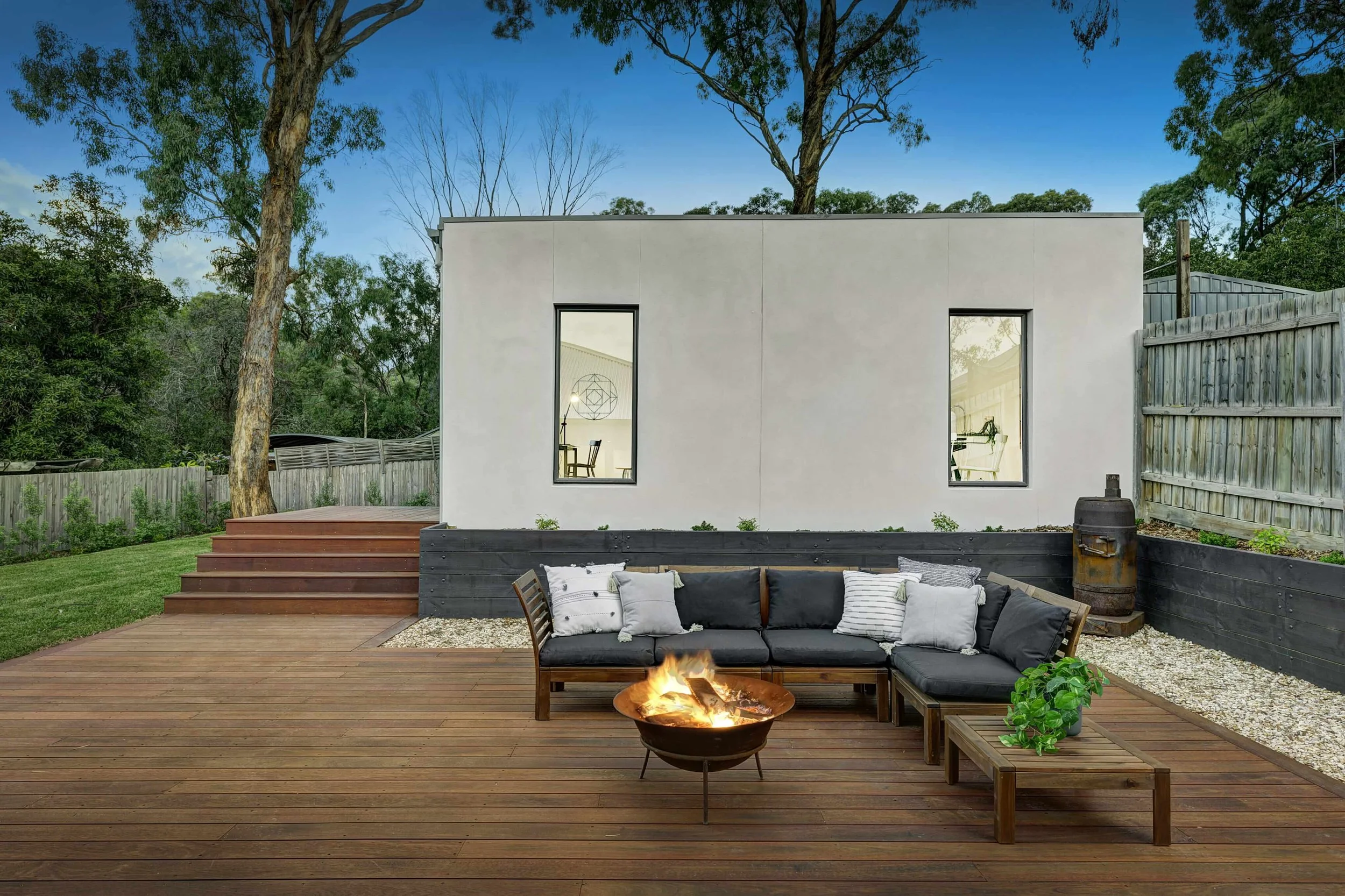
Victoria’s planning rules changed in 2023, making it easier for Melbourne homeowners to add a small second dwelling to their block. But easier doesn’t always mean straightforward. As Melbourne home builders who've worked across heritage suburbs, tight inner-city blocks, and outer-ring properties with complex overlays, we've seen homeowners get tripped up by things that don't show up in the brochure.
This guide covers what a small second dwelling (SSD) actually is, what the rules require, and what to watch for before you commit to building one.
What Is a Small Second Dwelling?
You might call it a granny flat or a tiny home, but a small second dwelling is any self-contained home of up to 60 square metres, built on the same lot as an existing house. It can be attached to the main home, completely separate, or created by converting an existing structure like a garage or bungalow.
To qualify as an SSD, it must include:
A kitchen
A bathroom with toilet
Laundry facilities
Its own private open space, separate from the main dwelling's outdoor area
A few things worth knowing upfront:
An SSD cannot be subdivided or sold as a separate title. It stays part of the same lot
It cannot connect to reticulated gas
No car parking is required by law, though your site may still benefit from considering access
Anyone can live in it (family, renters, or left vacant) with no restrictions on use
You may also come across the term 'dependent person's unit' (DPU), but that’s a different planning category with different rules. If you've been researching 'granny flats in Victoria', it's worth confirming which category applies to what you're planning.

Do You Need a Planning Permit?
Under Victoria's current planning framework, a planning permit is not required for an SSD in most residential and rural zones. However, a building permit is always required, and we'll cover what that involves in a moment.
The 'no planning permit needed' rule comes with some important caveats:
Heritage overlays common across inner suburbs like Fitzroy, Carlton, Hawthorn, and many more can trigger a planning permit requirement
Flood or inundation overlays apply to parts of Melbourne's east and south-east
Bushfire Management Overlays apply to outer-ring and semi-rural properties
Significant Landscape Overlays and Neighbourhood Character Overlays can also affect SSD eligibility depending on the zone
Then there's the issue that catches people off guard more than any overlay: restrictive covenants. Many Melbourne properties, particularly in established suburbs built during the mid-20th century, have restrictive covenants or Section 173 agreements registered on the title. These are private legal agreements that can prohibit additional dwellings outright, regardless of what the planning scheme allows.
Before you invest in design work, the first thing to do is pull your Certificate of Title and read it carefully. A builder or conveyancer can help you identify anything that might affect your plans.
Siting and Design Requirements
The Victorian building regulations set out specific requirements for where and how an SSD can be positioned on your block. Here's what they mean in practice:
The SSD must sit behind the front wall of the existing dwelling. You can't build in the front yard
There must be unobstructed pedestrian access from the street to the SSD's entrance
The combined site coverage of all buildings (main home, SSD, sheds, garages) must stay within the applicable maximum for your zone
Garden area minimums still apply, which can be a real constraint on smaller Melbourne blocks
Setbacks from side and rear boundaries are required, though these are calculated based on wall height and zone
The SSD must have its own private open space. It can't share the main dwelling's outdoor area
One detail that catches people when they're working near the 60m² limit: a roofed verandah or pergola is counted toward the 60m² floor area. An unroofed deck is not. It sounds like a small distinction, but it matters when you're designing to the limit.
As a builder, the siting questions we're often working through with clients are about making 60m² actually feel liveable, not just technically compliant. The placement of the SSD relative to the main home, its orientation for natural light, and the layout inside the structure all have a huge impact on liveability within that footprint.
What tends to work well in a 60m² SSD is an open-plan kitchen and living area, a full-size bathroom (not a cramped ensuite-style fit-out), one generously-sized bedroom with real storage, and a private outdoor zone with at least some afternoon sun. Trying to squeeze in a second bedroom often comes at the expense of everything else and leads to disappointment.
Can You Convert an Existing Structure Into an SSD?
Yes, converting a garage, a detached bungalow, or a workshop into a small second dwelling is possible under Victorian regulations, provided the finished structure meets all SSD requirements. A building permit is still required for a conversion, and the structure will be assessed against the same standard that applies to new builds.
Conversions can be a cost-effective path to an SSD, and sometimes the bones of an older structure are genuinely worth preserving. But they're not automatically cheaper than building new once you factor in bringing everything up to current code. The right answer depends on the specific structure and its condition. If you're looking at a conversion, it's worth having a builder walk through the existing structure before you commit.
The Building Permit Process
Every SSD requires a building permit, issued by a registered building surveyor.
Here's roughly how the process works:
Your builder and designer prepare the documentation (drawings, specifications, energy report)
The building surveyor reviews the application against the Building Regulations 2018 and NCC 2022
Any required inspections are carried out during construction (footings, framing, wet areas, and final)
Once construction is complete and sign-off is given, you get a Certificate of Occupancy.
For a straightforward SSD on a standard block with no overlay complications, the permit stage typically adds a few weeks to the overall timeline rather than months. The variables that extend it are overlays, heritage considerations, and sites where drainage or siting requires additional engineering input.
Thankfully, it’s not something you usually have to deal with yourself. Your builder should be coordinating the permit process on your behalf and keeping you informed at each stage.
Renting Out a Small Second Dwelling
There are no restrictions on who can live in a small second dwelling, but if you do rent it out, Victorian residential tenancy legislation applies in full. The SSD must meet minimum rental standards, since it’s treated the same as any other residential rental in the eyes of the law.
A few practical considerations for renting an SSD in Melbourne:
The SSD won't automatically have its own street number. Your local council assigns this if you apply, which simplifies the rental listing process
Electricity and water can often be supplied from the main dwelling's existing connection, but you'll need to check with your utility provider about whether a sub-metering arrangement is possible
Rental income from an SSD is treated as assessable income for tax purposes
For many Melbourne homeowners, the rental income potential is a significant part of the case for building an SSD.
Common Mistakes We See
After working through SSD projects across Melbourne, here's what we consistently see go wrong.
1. Assuming no planning permit is needed without checking overlays and title
The general rule is encouraging, but it doesn't account for your specific property. Covenants and overlays are the most common reason a project that looks straightforward gets complicated.
2. Underestimating the impact of site coverage and garden area requirements
On smaller Melbourne blocks, the combination of the main dwelling footprint, any existing outbuildings, and the new SSD can push you close to or over the site coverage maximum. Garden area minimums compound this. It's worth checking this early.
3. Designing to 60m² and then adding a roofed structure
We've seen design plans that hit exactly 60m² for the internal area, then include a roofed deck or alfresco that pushes the total floor area over the threshold. That's a problem that needs to be resolved before the building permit application, not after.
4. Choosing a prefab or modular option without verifying Victorian compliance
Prefabricated and modular SSDs are marketed heavily in Victoria right now, but not all are automatically compliant with Victorian building regulations for every site type. If you're considering a prefab, confirm with your building surveyor that it's appropriate for your specific block before you sign anything.
5. Starting design before checking services
Connecting the SSD to water, sewer, and electricity is a cost that varies significantly depending on where services run on your property and how far the SSD will be from the main home. It's not always a dealbreaker, but it can affect your budget and influence where on the block it makes most sense to build.
Thinking About Building a Small Second Dwelling? Talk to Allgrange First.
A small second dwelling can be great for your property’s long-term value and potentially as a source of rental income. Getting it right starts well before construction, with a clear-eyed look at your site and what's actually achievable.
At Allgrange, we work with Melbourne homeowners from the early stages through to handover. That means helping you understand what's possible on your block, navigating any overlay or covenant complications, and delivering an SSD that's built to last.
If you're in the early stages of considering a small second dwelling and want an honest assessment of what's involved for your property, give us a call. We'd love to talk.
Start Your Journey